

The accessibility of World of Warcraft to new players is heavily influenced by class design complexity. For players entering the Dragonflight expansion, selecting a class with a low rotational skill floor and high survivability is crucial for maximizing early engagement and minimizing frustration. This analysis evaluates several classes, quantifying their suitability for beginners based on Rotational Complexity Scores and Survivability Utility Metrics. The goal is to justify class recommendations that guarantee a positive initial experience.
This report quantifies the justification for beginner class selection based on Rotational Complexity Scores and Survivability Utility Metrics.
Evaluation Criteria: Rotational Complexity Score, Survivability Utility Metric, and Role Flexibility Index
Beginner-friendly classes are evaluated using three weighted criteria. First, Rotational Complexity Score measures the number of core abilities and the necessity of strict timing; a low score is preferred.

Survivability Utility Metric assesses the number and effectiveness of defensive cooldowns, self-healing, and passive damage mitigation. Third, Role Flexibility Index tracks the number of roles (Tank, DPS, Healer) the class can perform, offering learning pathways. Low Rotational Complexity is the primary justification for a beginner recommendation.
Beast Mastery Hunter: Apex of Low Rotational Complexity
The Beast Mastery (BM) Hunter earns the highest ranking for beginner friendliness due to its extremely low Rotational Complexity Score. The majority of its damage rotation is instant-cast and can be executed while moving, eliminating the complexities of positioning and cast times.

While its Survivability Utility Metric is moderate (relying on kiting and Feign Death), the inherent simplicity of the rotation minimizes player error, providing a safe learning environment. The functional justification is pure accessibility: low skill floor with competitive early throughput.
Paladin (Retribution/Protection): High Survivability, High Flexibility
The Paladin excels due to an extremely high Survivability Utility Metric (heavy armor, self-healing via Word of Glory, and defensive cooldowns like Divine Shield). The Retribution rotation maintains a moderate Rotational Complexity Score, utilizing a priority system rather than a strict sequence. Crucially, the Paladin’s high Role Flexibility Index (Tank, Melee DPS, Healer) justifies it as an excellent learning platform, allowing new players to experiment with different responsibilities using a fundamentally robust and forgiving chassis.
Demon Hunter (Havoc): Moderate Complexity, High Mobility
Havoc Demon Hunter offers a unique blend of high mobility and a moderate Rotational Complexity Score. While rotation is fast, it remains intuitive and resource-based. Its moderate-to-high Survivability Utility Metric is derived from passive damage reduction and frequent self-healing via talent choices.
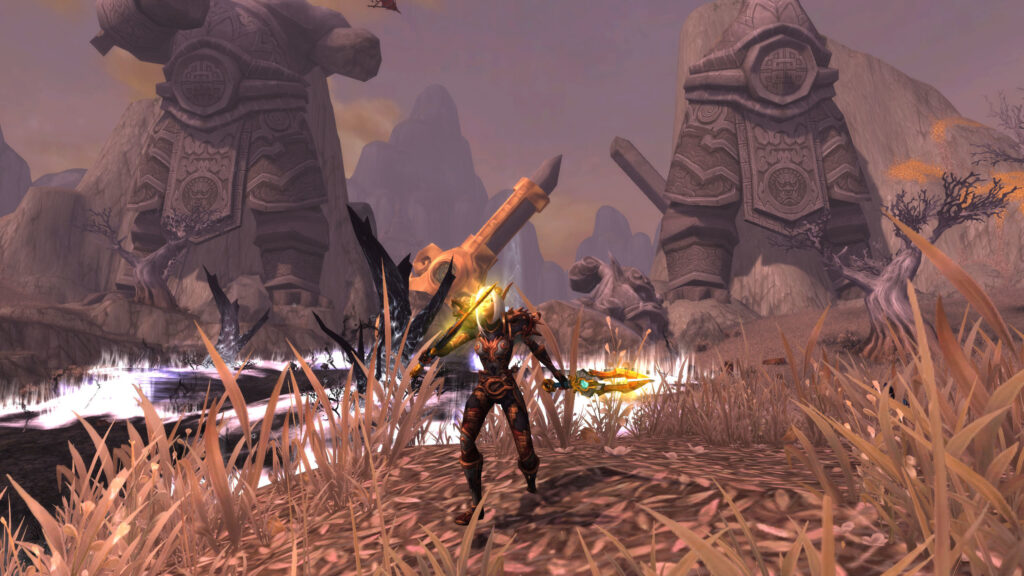
The justification here is for players who prefer aggressive, fast-paced play: the high mobility allows new players to correct positioning errors quickly without suffering immediate failure.
Beginner Class Selection List: Attributes and Risks
- Beast Mastery Hunter: Lowest Complexity, Excellent for Learning Environment Interaction. Risk: Moderate Survivability forces reliance on kiting.
- Retribution Paladin: High Survivability, Excellent Role Flexibility. Risk: Resource management can be punishing if abilities are misspent.
- Havoc Demon Hunter: High Mobility, Fast Paced. Risk: High engagement can lead to poor positional decisions in large groups.
- Destruction Warlock: Low Mobility, High Ranged Damage. Risk: Reliance on cast times requires careful positioning.
Conclusion: Prioritizing Comfort and Resilience
The best class for a beginner is fundamentally justified by a low Rotational Complexity Score and a reliable Survivability Utility Metric. Classes that minimize the punishment for common new player errors—such as the Beast Mastery Hunter and the Paladin—ensure a positive introduction to the game.
Their design allows the new player to focus on learning core mechanics (e.g., boss abilities, movement) rather than struggling with intricate class rotations.
