
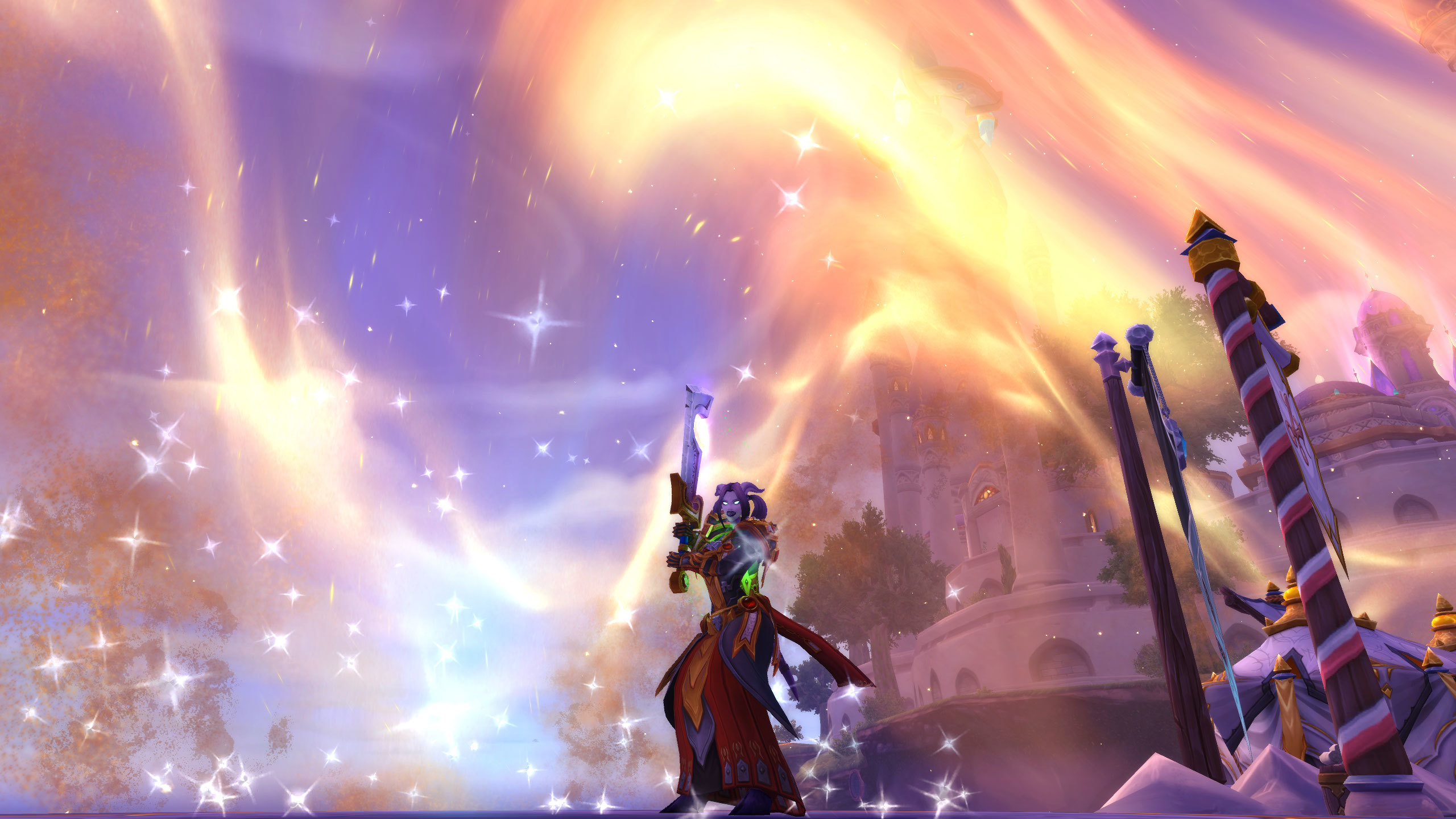
The world has always drawn inspiration from real cultures, landscapes, and mythologies. Rather than copying directly, designers reinterpret familiar influences into stylized expressions that enrich the world’s identity. These cultural echoes help zones feel alive, authentic, and connected to human history while remaining distinctly fantastical. Through architecture, symbolism, and environmental storytelling, the game pays homage to traditions that shaped civilizations across our own world.
This article explores how real cultures inspire the world’s zones and myths, creating regions that resonate with players through visual memory and emotional familiarity.
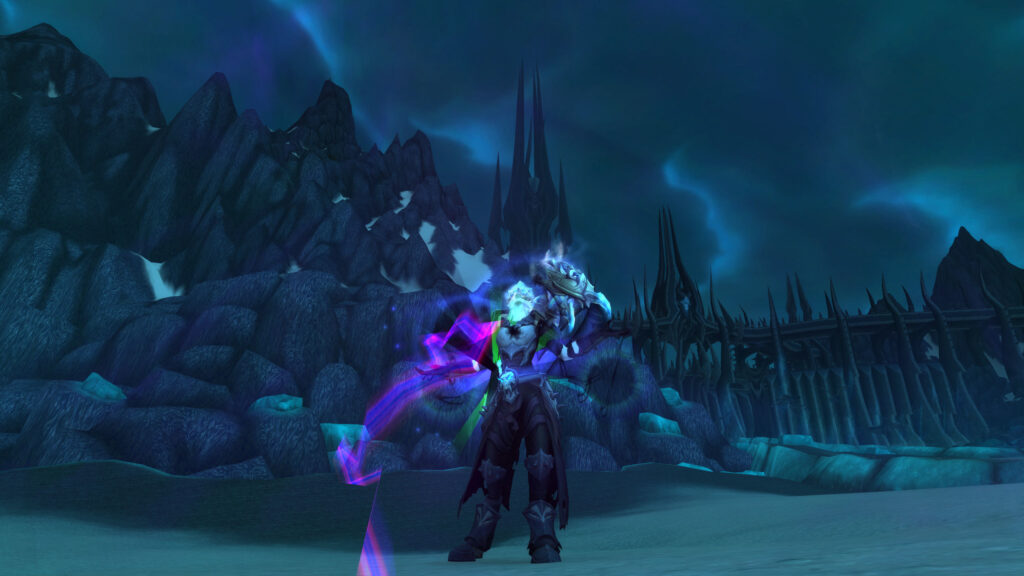
Architectural Echoes of Ancient Civilizations
Many zones draw from recognizable architectural traditions that instantly communicate their identity. The towering pyramids of desert empires echo Mesoamerican and Egyptian structures, while the ornate spires of magical kingdoms reflect European medieval and Byzantine influences. These designs use real-world forms to anchor fantastical settings, creating a sense of history layered with imagination. Even when exaggerated or reinterpreted, these architectural markers help players intuit the values and heritage of each region.
Architecture becomes a silent storyteller that shapes player expectations.
Cultural Inspirations Woven Into Landscapes
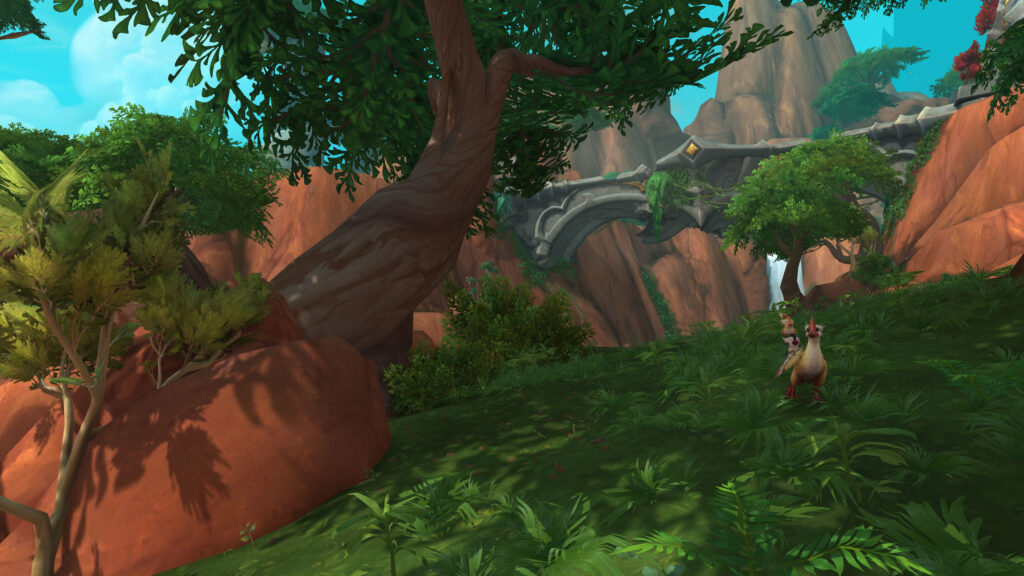
Landscapes also reflect real-world inspirations. Snow-covered fjords and rugged cliffs resemble Nordic terrain, lush bamboo forests mirror East Asian environments, and savannah expanses evoke African grasslands. These environmental cues help players feel grounded in familiar atmospheres while exploring worlds that remain wholly unique. The blend of real and imagined landscapes encourages exploration fueled by both curiosity and recognition.
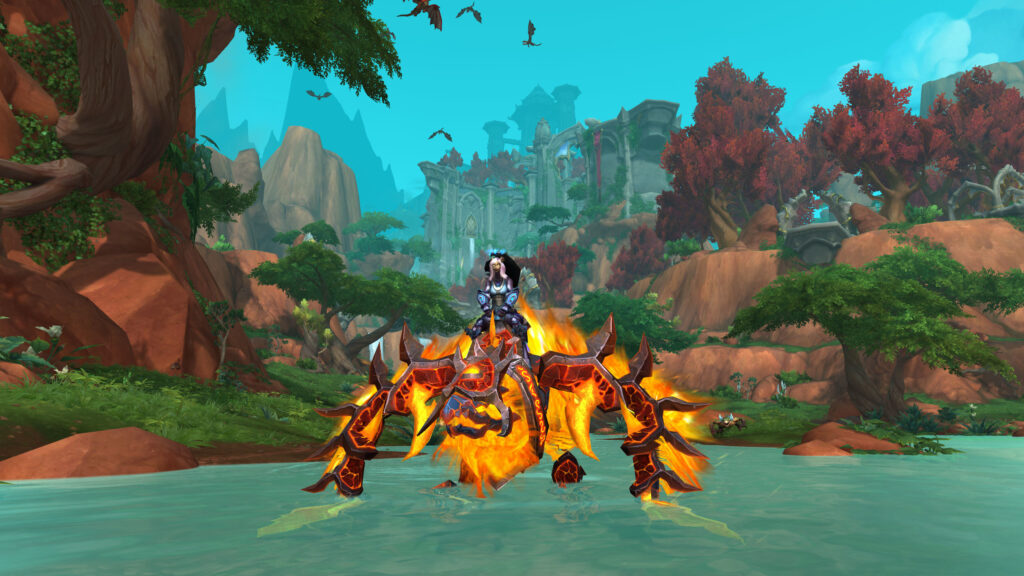
To highlight these influences, here are common landscape inspirations:
- Nordic tundra and mountainous fjords
- Mesoamerican jungles and stepped temples
- East Asian rice terraces and bamboo forests
- North African deserts and oasis settlements
- Celtic highlands and mist-covered plains
Myths That Mirror Old Legends
Mythology provides another rich foundation for worldbuilding. Many creatures, gods, and heroic tales echo global folklore. Giant serpents, guardian spirits, elemental forces, and trickster figures all draw from myths found across continents. These influences allow the world to feel timeless, connected to the same storytelling traditions that shaped human civilizations. Yet the creative reinterpretations keep the universe distinct, avoiding direct replication while honoring inspiration.
Myths between worlds become bridges between cultures.
Design That Reflects Identity, Not Imitation
Although the game borrows from real cultures, it transforms them through stylization. Designers exaggerate proportions, infuse magical elements, and refine motifs into dramatic expressions. This prevents the world from becoming a historical replica and instead supports cultural storytelling with fantasy flair. These reinterpretations celebrate global diversity without confining regions to strict analogues. In doing so, the game pays respect to its inspirations while creating something entirely its own.
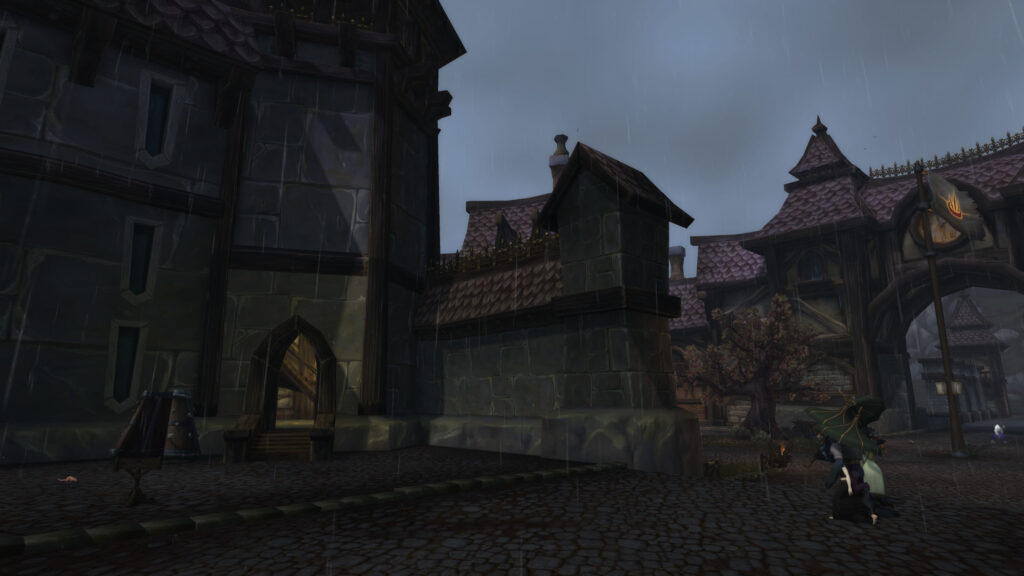
Fantasy thrives when rooted in real experience, then reshaped into imagination.
How Cultural Influence Enriches Player Experience
Real-world influences give zones emotional resonance. Players feel at home in certain regions not because they are familiar, but because they echo cultural memories and shared histories. This connection deepens immersion and gives each zone a sense of soul. The world becomes a tapestry woven from countless traditions, each thread contributing to a world that feels rich, varied, and endlessly explorable.
The familiar makes the fantastical more inviting.
Conclusion
The influence of real-world cultures enriches the world through architecture, landscapes, and mythology. These inspirations create zones that feel both fantastical and grounded, drawing players into spaces that resonate with history and imagination. By blending global traditions with creative reinvention, the game builds a world that honors cultural diversity while offering experiences that feel timeless. Its stories reflect a shared heritage of myths, places, and ideas carried across generations.
